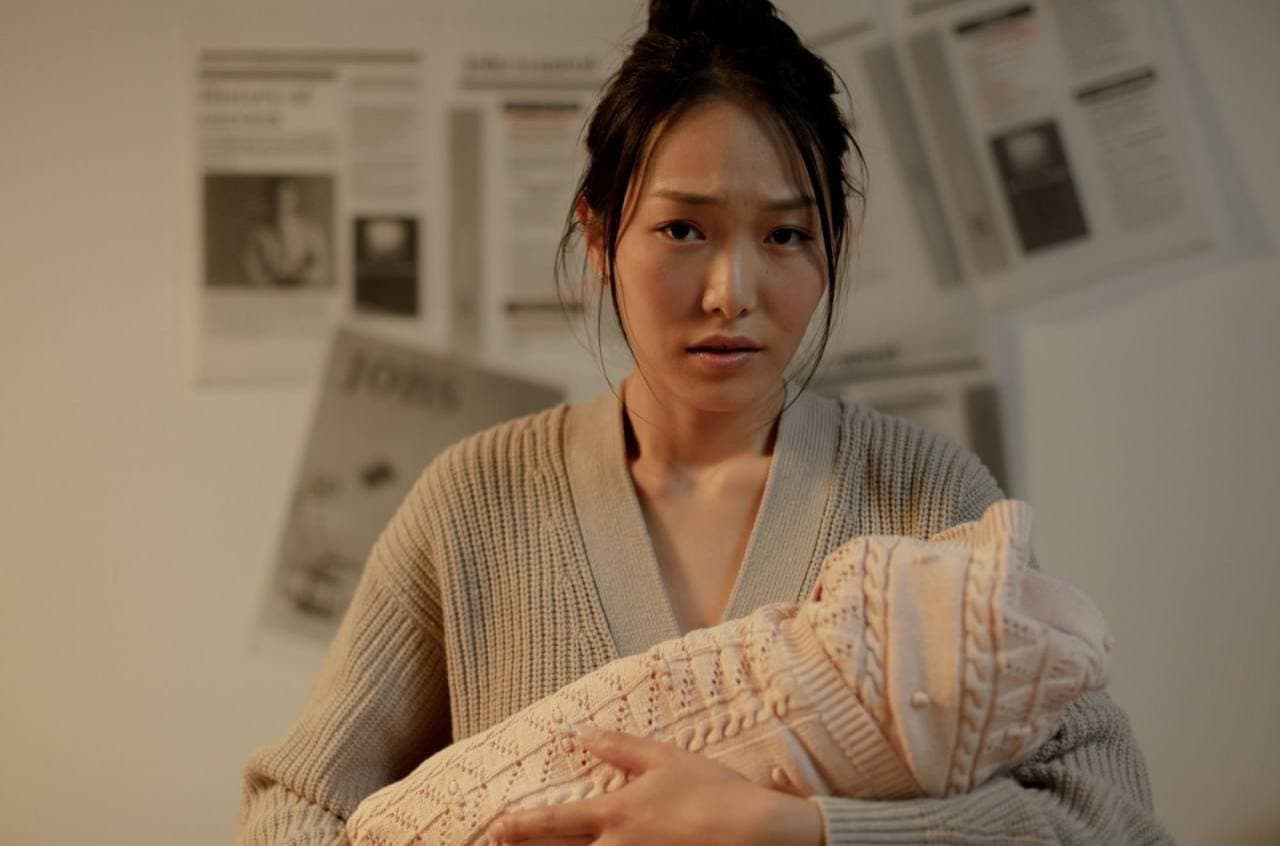
When most people picture a struggling new mother, they imagine someone who can't get out of bed, who cries without warning, who feels disconnected from her baby. That picture has a name: postpartum depression. It's been discussed, screened for, and written about for decades.
But there's another experience — quieter, harder to name, and statistically more common. It looks like lying awake at 3 a.m., convinced something terrible is about to happen. It looks like checking the baby's breathing every few minutes, unable to stop even when you know, rationally, that everything is fine. It looks like a racing heart during a perfectly ordinary Tuesday. It looks like anxiety — and it often goes unrecognized for exactly that reason.
Postpartum anxiety affects up to 20% of new mothers, compared to roughly 13% who experience postpartum depression. Yet anxiety receives a fraction of the clinical attention, the public awareness campaigns, and the routine screening that depression does. Many women are sent home from their six-week checkup with a clear PPD screen and no idea that what they're living with has a name, a clinical profile, and real treatment options.
This article breaks down what postpartum anxiety and postpartum depression actually are, how to tell them apart, what it means when both show up at once, and what you can do right now if you recognize yourself in either description.
Why Postpartum Anxiety Gets Missed
The gap in awareness isn't accidental. Postpartum depression entered mainstream medical consciousness in the 1990s and 2000s, driven by advocacy, celebrity disclosures, and formal screening protocols. The Edinburgh Postnatal Depression Scale (EPDS), the most widely used screening tool in postpartum care, was designed primarily to detect depression. Anxiety symptoms appear in only a few of the ten questions.
This matters because postpartum anxiety doesn't look like depression. A mother with PPA is often highly functional on the surface. She's attentive, sometimes hyperattentive, to her baby. She may not be crying. She may even seem like she's doing everything right. What she's actually doing is managing an internal alarm system that never turns off.
Postpartum anxiety doesn't have its own formal diagnostic category in the DSM-5-TR. It's typically classified under generalized anxiety disorder or another anxiety spectrum condition with a peripartum onset — which makes it easy for clinicians to overlook during a brief postpartum visit, and easy for mothers to dismiss as just being "a worrier" or a "nervous new mom."
The result: women who don't fit the weeping, withdrawn picture of PPD go undiagnosed and unsupported for months. Some for much longer. And the question many of them are actually asking isn't "do I have PPD" — it's "why don't I feel like myself, and when does that come back?" The honest answer is that the postpartum period involves a documented identity shift researchers call matrescence: a psychological and biological transformation that affects the brain structurally for up to two years. Feeling disoriented about who you are outside of being someone's mother isn't a symptom to be screened away. It's a recognised part of the transition, and it has its own recovery arc — typically 12 to 18 months of gradual, non-linear reclaiming.
Postpartum Depression: What It Actually Looks Like
How do you recognise if you have postpartum depression versus normal new-mother exhaustion? The honest answer: it's the quality of the feeling, not just the intensity. Every new mother is tired. Postpartum depression is a mood disorder that typically emerges within the first few weeks to months after birth, with an average onset around 14 weeks postpartum, according to NCBI research. It's not the same as the "baby blues," which affects up to 80% of new mothers and resolves on its own within two weeks. PPD is more persistent, more disruptive, and requires active support to resolve.
According to the CDC, about 1 in 8 women with a recent live birth reports symptoms of postpartum depression. Left untreated, it can last three to six months or longer.
Core Symptoms of PPD
- Persistent sadness or emptiness that doesn't lift, even during moments that "should" feel good
- Loss of interest in activities, hobbies, or people you previously cared about
- Difficulty bonding with your baby or feeling emotionally distant from them
- Feelings of worthlessness, guilt, or shame about your abilities as a mother
- Changes in appetite and sleep beyond what newborn care explains
- Difficulty concentrating or making even small decisions
- Withdrawal from friends, family, and support systems
- Thoughts of harming yourself or your baby — a medical emergency requiring immediate help
The emotional signature of PPD is heaviness. Things that once brought meaning feel flat. Motivation is low. The dominant experience is often numbness or sadness rather than fear.
Nearly 50% of mothers experiencing postpartum depression are never diagnosed by a health professional. If you recognize these symptoms, you're not failing — you're undertreated.
Postpartum Anxiety: What It Actually Looks Like
What is postpartum anxiety and how is it different from PPD? Where PPD feels like sinking, postpartum anxiety feels like being unable to stop. The nervous system is stuck in high alert. The mind generates worst-case scenarios faster than logic can counter them. The body responds with physical symptoms that can be alarming on their own.
Research published in PMC found that postpartum anxiety affects approximately 20.8% of new mothers — meaningfully higher than the 12.9% rate for postpartum depression in the same study population. Despite this, PPA is screened for far less consistently.
Core Symptoms of PPA
- Excessive, uncontrollable worry about the baby's health, safety, feeding, or development
- Racing thoughts that are difficult to interrupt or redirect
- Inability to rest even when the baby is sleeping, and rest is possible
- Physical symptoms: racing heart, chest tightness, shortness of breath, trembling, nausea
- Hypervigilance: constantly scanning for danger, checking the baby repeatedly, unable to leave them with anyone
- Irritability that feels out of proportion to the situation
- Difficulty sleeping driven by anxiety rather than the baby's schedule
- Panic attacks: sudden waves of intense fear with physical symptoms
What PPA Does NOT Usually Look Like
This is the part that causes so much confusion. A mother with postpartum anxiety often:
- Appears to be coping well or even "doing great"
- Is highly engaged with her baby, sometimes to an exhausting degree
- Does not report sadness as her main experience
- Would not describe herself as depressed
Because she doesn't match the cultural image of a struggling new mother, she may not seek help. Her provider may not screen for it. She may spend months attributing everything to "just being a new mom" or "being a worrier by nature."
Postpartum anxiety is a clinical condition, not a personality trait. It has recognized treatment pathways. It responds well to intervention.
Side-by-Side: How PPD and PPA Differ
The clearest way to understand the difference is to put them next to each other. Keep in mind that symptoms can overlap, and both conditions can occur at the same time.
| Postpartum Depression (PPD) | Postpartum Anxiety (PPA) |
|---|---|---|
Core emotional experience | Sadness, emptiness, numbness | Fear, worry, dread |
Energy level | Low, exhausted, withdrawn | Often high-alert, restless |
Relationship with the baby | May feel distant or disconnected | Often hyperattentive, hypervigilant |
Sleep disruption | Sleeping too much or too little | Difficulty falling or staying asleep due to worry |
Physical symptoms | Fatigue, appetite changes | Racing heart, chest tightness, nausea |
Thought patterns | Worthlessness, hopelessness | Worst-case scenarios, catastrophizing |
Ability to function | Often impaired | Often maintained (externally) |
Screening coverage | Routinely screened via EPDS | Frequently missed in standard care |
Prevalence | ~13% of new mothers | ~20% of new mothers |
What the table can't capture: roughly 9% of postpartum women experience both PPD and PPA simultaneously, according to recent research. When they co-occur, symptoms are typically more severe, and recovery is more complex. A mother may feel both the heaviness of depression and the relentless activation of anxiety at the same time, which can be deeply disorienting.
This is why combined screening matters. Treating only one when both are present leaves the other unaddressed and can significantly slow recovery.
When to Seek Professional Help
Both PPD and PPA are treatable. With appropriate support, up to 80% of individuals with postpartum depression achieve full recovery. The same is true for postpartum anxiety. The barrier is almost never treatment itself — it's getting to the point of asking for it.
Signs It's Time to Reach Out Now
Seek professional support if any of the following apply:
- Symptoms have lasted more than two weeks
- Your worry or sadness is interfering with daily functioning, sleep, or your ability to care for yourself or your baby
- You're having intrusive thoughts about harm coming to your baby — these are more common than most people realize, but they warrant professional guidance
- You're having thoughts of harming yourself
- You feel like you're "not yourself" and have been for weeks
- You've been told by a provider that you "don't have PPD", but you still know something is wrong
That last one is worth sitting with. A negative PPD screen doesn't rule out postpartum anxiety. If your gut says something is off, trust it, and ask specifically about anxiety. A practical way to phrase it: "I've been screened for depression but I'm still not feeling right — can you screen me specifically for postpartum anxiety?" That distinction matters clinically and gets you faster to the right support.
Who to Contact
Your OB, midwife, or primary care provider is the right first call. Be direct: "I think I may be experiencing postpartum anxiety" or "I need to be screened for both depression and anxiety." A perinatal mental health specialist has specific training in postpartum mood and anxiety disorders and can provide more targeted support.
If you're in crisis or having thoughts of self-harm, contact a crisis line immediately. In the US, call or text 988 (Suicide and Crisis Lifeline). In the UK, call 116 123 (Samaritans).
Needing help is not a sign that you're a bad mother. It's a sign that your nervous system went through something enormous, and it needs support to recalibrate. Soula's daily check-ins track mood, anxiety, and sleep patterns over time, and when those patterns suggest something that warrants clinical attention, the app surfaces that clearly rather than leaving you to figure it out alone between appointments. It also routes directly to crisis lines for moments when the support needed is immediate. That kind of ongoing monitoring between clinical visits is something the standard six-week check-up was never designed to provide.
Self-Support Tools That Actually Help
Professional care is the priority for moderate to severe symptoms. But for many women — especially in the early weeks before a diagnosis, or between appointments — daily tools for nervous system regulation can make a real difference. These aren't substitutes for treatment. They're what keep you functional while you're getting there.
For Postpartum Anxiety
The goal with anxiety is to interrupt the activation cycle. The nervous system has learned to treat ordinary moments as threats. Consistent, gentle practices help it relearn safety.
- Diaphragmatic breathing: Slow, deep breathing activates the parasympathetic nervous system. A simple pattern: inhale for 4 counts, hold for 4, exhale for 6–8. The extended exhale is what signals "safe" to your body.
- Grounding techniques: When racing thoughts take over, the 5-4-3-2-1 method — name 5 things you see, 4 you can touch, 3 you hear, 2 you smell, 1 you taste — anchors attention back to the present moment.
- Scheduled worry time: Rather than fighting intrusive thoughts all day, set a 15-minute window to acknowledge worries. Outside that window, practice redirecting. This reduces the constant low-level drain of unprocessed anxiety.
- Movement: Even a 10-minute walk has measurable effects on cortisol and anxiety symptoms. It doesn't need to be exercise — it needs to be movement.
- Sleep hygiene: Anxiety and sleep deprivation feed each other. When you do sleep, protect that window. Phones off, room cool and dark, and if possible, ask your partner or support person to take one feed.
For Postpartum Depression
With depression, the challenge is often motivation — the very tools that help are the hardest to reach for when you're in it. Small, structured steps matter more than ambitious plans.
- Behavioral activation: Do one small thing each day that used to bring pleasure or a sense of accomplishment, even if it doesn't feel good in the moment. The feeling often follows the action, not the other way around.
- Social connection: Isolation deepens depression. Even a brief text exchange or a 10-minute call counts. You don't need to explain what you're going through — just being in contact with another person helps.
- Sunlight and outdoor time: Natural light exposure is one of the most evidence-supported mood regulators available. Even 20 minutes outside in the morning has a measurable effect on mood and circadian rhythm.
- Mood and emotional tracking: Naming what you feel, even briefly, reduces its intensity. Tracking patterns over days and weeks can also help you and your provider understand what's happening and what's helping.
Tools That Work for Both
The Soula app offers neuroscience-based daily programs specifically designed for postpartum emotional wellbeing — breathing exercises, emotional regulation tools, guided meditations, and daily mood check-ins synced to your hormonal cycle. For women who aren't yet ready to call a provider, or who want structured daily support between appointments, tools like these help bridge the gap.
You're Not "Just a Worrier"
The postpartum period involves one of the most significant hormonal shifts the human body can experience. Estrogen and progesterone drop sharply after birth. Cortisol patterns are disrupted. Sleep deprivation compounds everything. The nervous system is, by any reasonable measure, under extraordinary pressure.
Against that backdrop, anxiety and depression aren't signs of weakness or inadequacy. They're predictable responses to an extreme physiological event, and they're far more common than most new mothers are ever told.
If you're reading this and recognizing yourself, that recognition matters. It's the first step toward getting the support you deserve. Whether what you're experiencing looks like anxiety, depression, or something in between, you don't have to wait until it gets worse to ask for help. You don't have to fit a specific picture. You don't have to explain it perfectly. You just have to start the conversation.
For daily emotional support designed specifically for the postpartum journey — tools for anxiety regulation, mood tracking, and nervous system balance — visit Soula. Not generic mental health content applied to a postpartum context, but a programme designed around the specific emotional territory of new motherhood: the identity disruption, the relationship strain, the anxiety that spikes at 3 a.m., the slow and non-linear work of finding yourself again. The app meets you where you are — daily, at whatever hour you need it.
Frequently Asked Questions
Can you have postpartum anxiety and postpartum depression at the same time?
Yes, and it's more common than most people realize. Research estimates that roughly 9% of postpartum women experience both conditions simultaneously. When they co-occur, symptoms tend to be more severe, and recovery is typically more complex. If you feel both the heaviness of depression and the relentless worry of anxiety, that combination is clinically recognized and treatable — it simply means you need support that addresses both, not just one.
My six-week checkup came back clear. Does that mean I don't have PPA?
Not necessarily. The Edinburgh Postnatal Depression Scale, the most common screening tool used at postpartum checkups, was designed primarily to detect depression. It captures some anxiety symptoms, but it isn't a dedicated anxiety screen. A clear result rules out a PPD diagnosis at that point in time — it doesn't rule out postpartum anxiety. If you still feel off after a clear screen, ask your provider specifically: "Can you screen me for postpartum anxiety?"
How long does postpartum anxiety last?
It varies significantly depending on whether it's treated. According to the Cleveland Clinic, postpartum anxiety doesn't typically resolve on its own without support. With treatment — therapy, medication, or structured self-support tools — most women see meaningful improvement. Left unaddressed, symptoms can persist for months or longer. The sooner support is sought, the shorter the recovery tends to be.
Is postpartum anxiety just "normal new mom worry"?
This is one of the most damaging misconceptions about PPA. Some worry after having a baby is normal. Postpartum anxiety is categorically different: it's excessive, difficult to control, and interferes with your ability to function or rest. The distinguishing feature isn't the presence of worry — it's the intensity and persistence. If your worry feels uncontrollable, is present most of the day, or is disrupting your sleep and daily life, it's not "just being a new mom." It's a clinical condition that responds to treatment.
Can postpartum anxiety start weeks or months after birth?
Yes. While symptoms often emerge in the first few weeks, PPA can develop or intensify several months after delivery. Hormonal shifts, cumulative sleep deprivation, and the compounding stress of new parenthood can trigger or worsen anxiety well beyond the immediate postpartum window. Some women don't recognize their symptoms until their baby is three, four, or even six months old. There's no cutoff after which anxiety is no longer considered postpartum in origin.
What's the difference between postpartum anxiety and the baby blues?
The baby blues affect up to 80% of new mothers and typically involve tearfulness, mood swings, and emotional sensitivity in the first one to two weeks after birth. They resolve on their own as hormones stabilize. Postpartum anxiety is distinct in three ways: it's dominated by fear and worry rather than sadness, it doesn't resolve on its own within two weeks, and it requires active support to improve. If what you're experiencing has lasted more than two weeks and centers on fear rather than sadness, it's not the baby blues.